On this page
Renting in Accra has a reputation for one thing above all: rent advance. Many landlords ask tenants to pay one or two years' rent upfront, which can be a shock if you are new to the city or moving from abroad. But there is much more to renting well — from understanding your rights to choosing the right area and checking the property properly.
Rent advance and what the law says
Ghana's Rent Act, 1963 (Act 220) restricts how much rent a landlord can demand in advance. In practice, though, large advances remain common in Accra's rental market, and many tenants negotiate rather than rely on the law. A long-discussed replacement for the Rent Act has been debated for years but, at the time of writing, Act 220 remains the governing law.
If you have a dispute with a landlord — over advance rent, repairs, eviction or your deposit — the Rent Control Department handles landlord–tenant complaints and can mediate.
Choosing where to rent
Think about your daily routine before you fall for a property. Accra traffic can turn a short distance into a long commute, so living near your work, your children's school or a major road can make a big difference. Our guide to Accra's best neighbourhoods compares areas such as East Legon, Cantonments, Airport Residential, Labone and Spintex.
What to check before you sign
- Water — is there mains supply, a storage tank or a borehole? How is water pressure on upper floors?
- Power — is there a generator or other backup, and who pays for fuel? Are electricity meters prepaid, and in whose name?
- Security — gates, guards, CCTV and lighting.
- Drainage and flooding — ask how the property and street fare during heavy rains.
- Condition — test taps, toilets, air conditioning, sockets, doors and windows.
- Service charges — in apartment blocks, find out what they cover and who pays.
Your tenancy agreement
Always insist on a written tenancy agreement. It protects both you and the landlord and avoids disputes later. It should cover:
- 1The names of the landlord and tenant, and the property address.
- 2The rent, how much is paid in advance and how future payments will be made.
- 3The length of the tenancy and how it can be renewed or ended, including notice periods.
- 4Who is responsible for which repairs and maintenance.
- 5Any security deposit, and the conditions for returning it.
- 6Rules on subletting, alterations, pets and use of the property.
Inspection and inventory
Before you move in, walk through the property with the landlord or agent and record its condition — photographs and a written inventory signed by both sides. Do the same when you move out. This simple step is the best protection for your deposit.
Furnished, unfurnished or serviced?
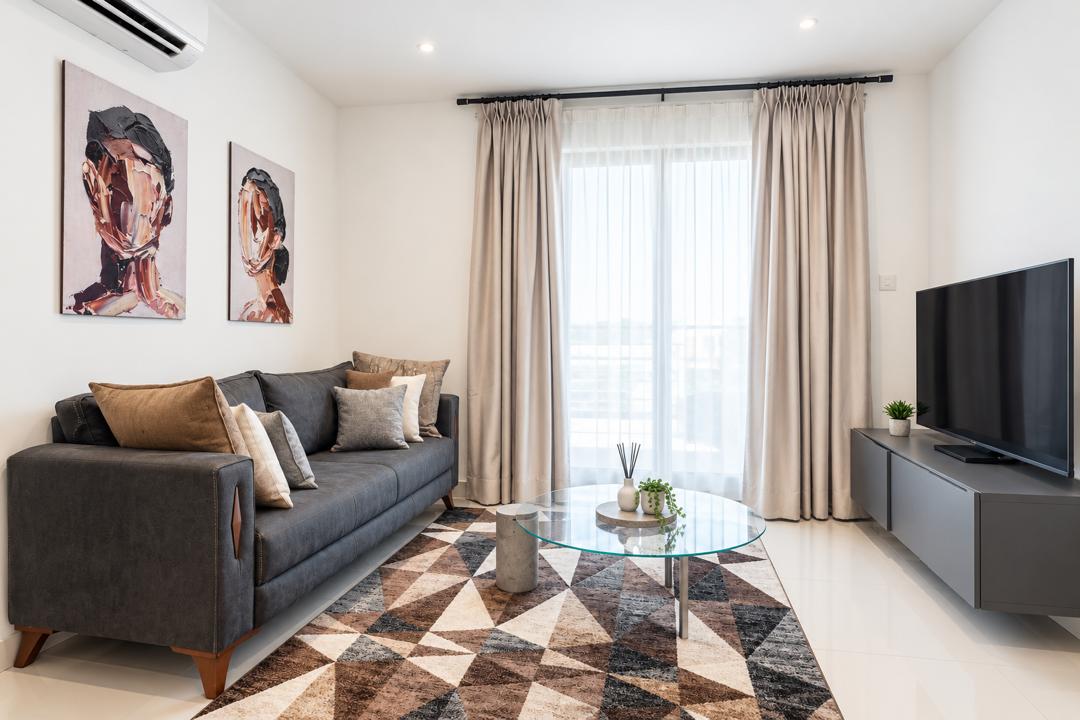
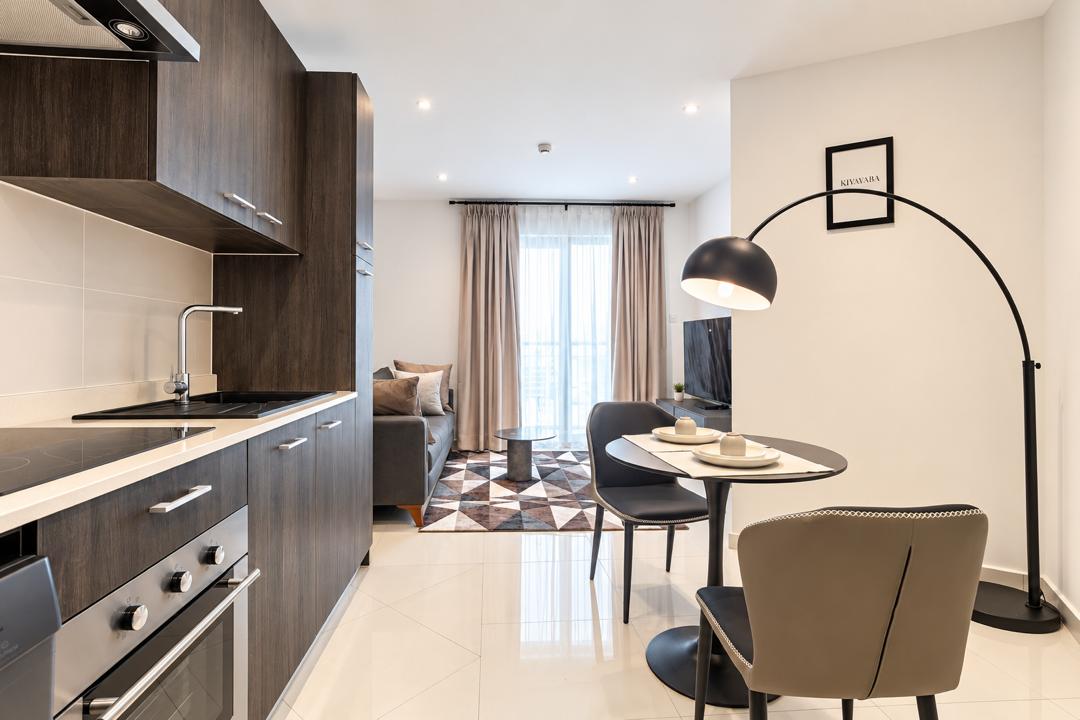
Most long-term rentals in Accra are unfurnished or partly furnished, which means buying furniture and appliances on top of a large advance. If you are relocating, on a contract of a few months or simply want to settle in before committing, a serviced apartment can be a better first step: it is fully furnished, utilities and WiFi are usually included, and stays can be booked monthly without a long advance. Read our guide to serviced apartments in Accra, or browse our rentals.
Red flags to watch for
- Being asked to pay before you have viewed the property.
- An "agent" who cannot show proof that the landlord has authorised them.
- Pressure to pay immediately because "others are interested".
- Refusal to provide a written tenancy agreement or receipts.
Frequently asked questions
How much rent advance is normal in Accra?
Landlords commonly ask for one to two years upfront, although the Rent Act restricts advance rent and many landlords will negotiate. Serviced apartments are a common alternative for those who do not want to pay a large advance.
Where do I report a landlord in Ghana?
The Rent Control Department handles landlord–tenant disputes, including complaints about advance rent, repairs and evictions.
Should I pay an agent's commission?
Agency fees are common in Accra's rental market. Agree the fee, and who pays it, in writing before you commit.